
Two former students of Hialeah Gardens High School have taken legal action against their former basketball coach, Javier Alejandro Cuenca, as well as the Miami-Dade County School and School Board. The lawsuits, which were filed in December, seek $15,000 in damages, citing claims of prolonged abuse and misconduct.
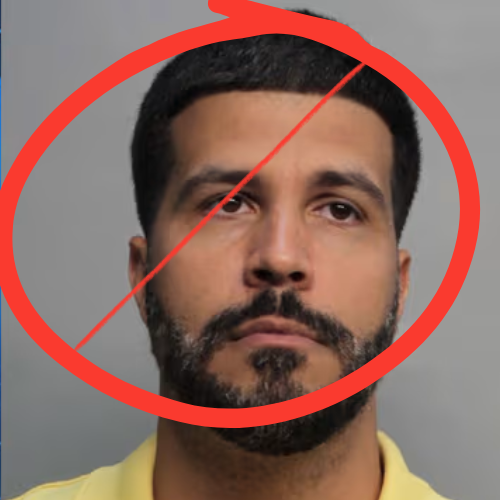
The victims allege that Cuenca coerced them into exposing their genitals and engaged in inappropriate touching or attempted to do so. These claims trace back to Cuenca’s 2014 arrest, when a total of six students came forward with similar allegations of molestation, prompting an investigation into the former coach’s conduct at Hialeah Gardens High School.
Following his arrest, Cuenca entered a plea of no contest to felony battery charges and was sentenced to two years of probation. However, legal documents filed in the current lawsuits suggest that the Miami-Dade County School Board bears responsibility for failing to thoroughly investigate Cuenca’s background before allowing him to work closely with minor students. The lawsuits argue that had proper vetting procedures been in place, the school system could have prevented the abuse from occurring.
The plaintiffs describe the severe emotional and psychological toll the abuse has taken on them, stating that they continue to suffer from mental anguish, distress, and long-term trauma. The emotional scars, they claim, have impacted multiple aspects of their lives, including their ability to trust authority figures and maintain healthy relationships.
Cuenca’s arrest in 2014 marked a pivotal moment in the case, as multiple students detailed disturbing accounts of misconduct that had allegedly persisted over time. According to reports, Cuenca used his position of authority to manipulate and intimidate his victims, creating an environment where they felt powerless to speak out. The latest legal action underscores the lasting repercussions of his actions, with victims now seeking justice years after the initial allegations surfaced.
The Miami-Dade County School Board has yet to release an official statement regarding the lawsuits, and Cuenca himself has not publicly responded to the latest legal developments. As the case unfolds, the victims hope that holding both Cuenca and the school board accountable will bring them a sense of closure and prevent similar incidents from occurring in the future.
Legal experts suggest that this case could have broader implications for how school districts handle background checks and allegations of misconduct among faculty members. The plaintiffs’ legal representatives stress that institutions entrusted with the education and safety of children must be more diligent in ensuring that those in positions of authority do not pose a risk to students.
As the legal battle continues, the victims remain steadfast in their pursuit of justice, determined to shed light on the failures that allowed their abuse to take place. The case serves as a reminder of the importance of vigilance and accountability in educational institutions, emphasizing the need for systemic reforms to better protect students from potential harm.

 Authentic News Provider